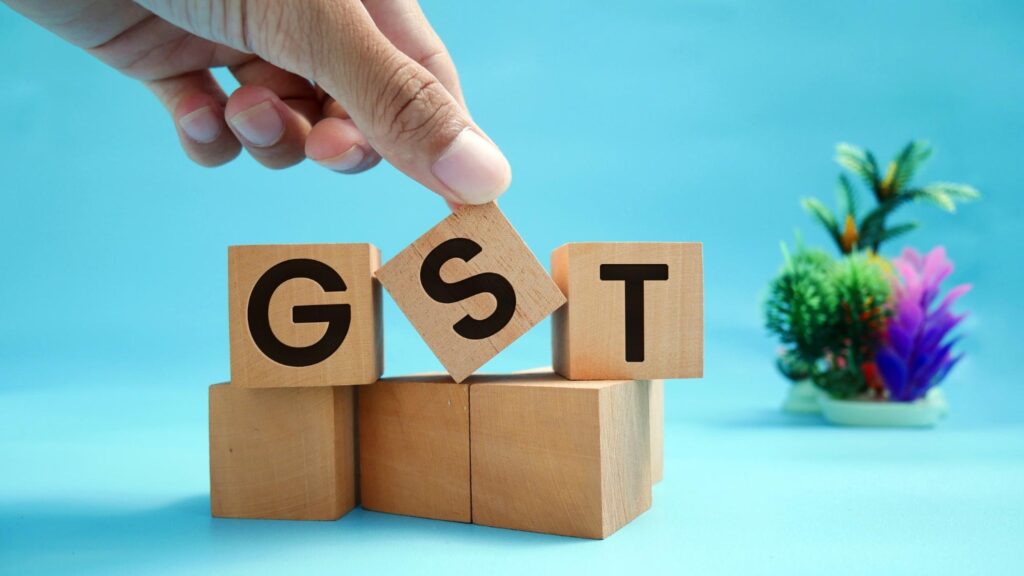
India’s tax landscape is about to see its biggest reform since 2017. From 22 September 2025, the new GST 2.0 framework will come into effect. The idea is simple: make everyday essentials more affordable, reduce the number of confusing slabs, and place higher taxes on luxury and sin goods. For households and businesses, this means more room in the monthly budget—and for those considering solar power, it creates the perfect opportunity.
✅ What Gets Cheaper
- Daily Essentials: Soaps, medicines, toothpaste, footwear, and other household basics.
- Consumer Durables: TVs, refrigerators, air-conditioners, washing machines, and other appliances see tax relief.
- Healthcare & Education: Insurance, medicines, and education-related services get GST relief or lower slabs.
👉 With essentials costing less, families will feel less monthly expense pressure—freeing up money to invest in future-ready assets like solar panels.
⚠️ What Gets Costlier
- Luxury Cars & Premium Electronics: High-end vehicles, imported gadgets, and branded luxury appliances.
- Lifestyle Indulgences: Designer fashion, watches, and jewelry.
- Sin Goods: Tobacco, alcohol, and certain beverages, which now attract a 40% GST slab.
👉 The focus shifts from indulgence to essentials, encouraging households to spend wisely and invest smartly.
🔑 Why It Matters for Solar Buyers
- With lower GST on many goods, monthly household expenses reduce.
- Families can reallocate savings into long-term assets like rooftop solar panels.
- Solar is already a proven way to cut electricity bills—now it becomes even more affordable when paired with GST relief on essentials.
GST on Solar Panels Before vs Now
- Before GST 2.0: Solar panels, modules, and related equipment attracted 12% GST.
- Now under GST 2.0: The rate has been reduced to 5% for solar PV cells, panels, and many renewable energy devices
- For composite contracts (equipment + installation), the government has clarified a split:
- 70% of project cost (equipment) → taxed at 5% GST.
- 30% of project cost (services like installation, wiring, civil work) → taxed at 18% GST.
This split ensures both goods and services are covered, but it’s the equipment portion that gives buyers the biggest benefit.
🌞 SunnyDay’s Take
GST 2.0 is more than just a tax update—it’s a financial opportunity. By reducing the burden on everyday goods and solar panels, the reform makes it easier for households to take control of their energy costs.
At SunnyDay, we believe this is the perfect time to go solar. Lower GST means lower upfront cost, quicker payback, and brighter savings for years to come.
👉 Brighter savings. Brighter energy. Brighter future—with SunnyDay Solar.